At Harbour Energy, our caring attitude and work quality have earned the trust, appreciation, and lifelong loyalty of many customers.
Smarter Heating & Cooling for Vancouver Businesses
Published on April 10, 2026
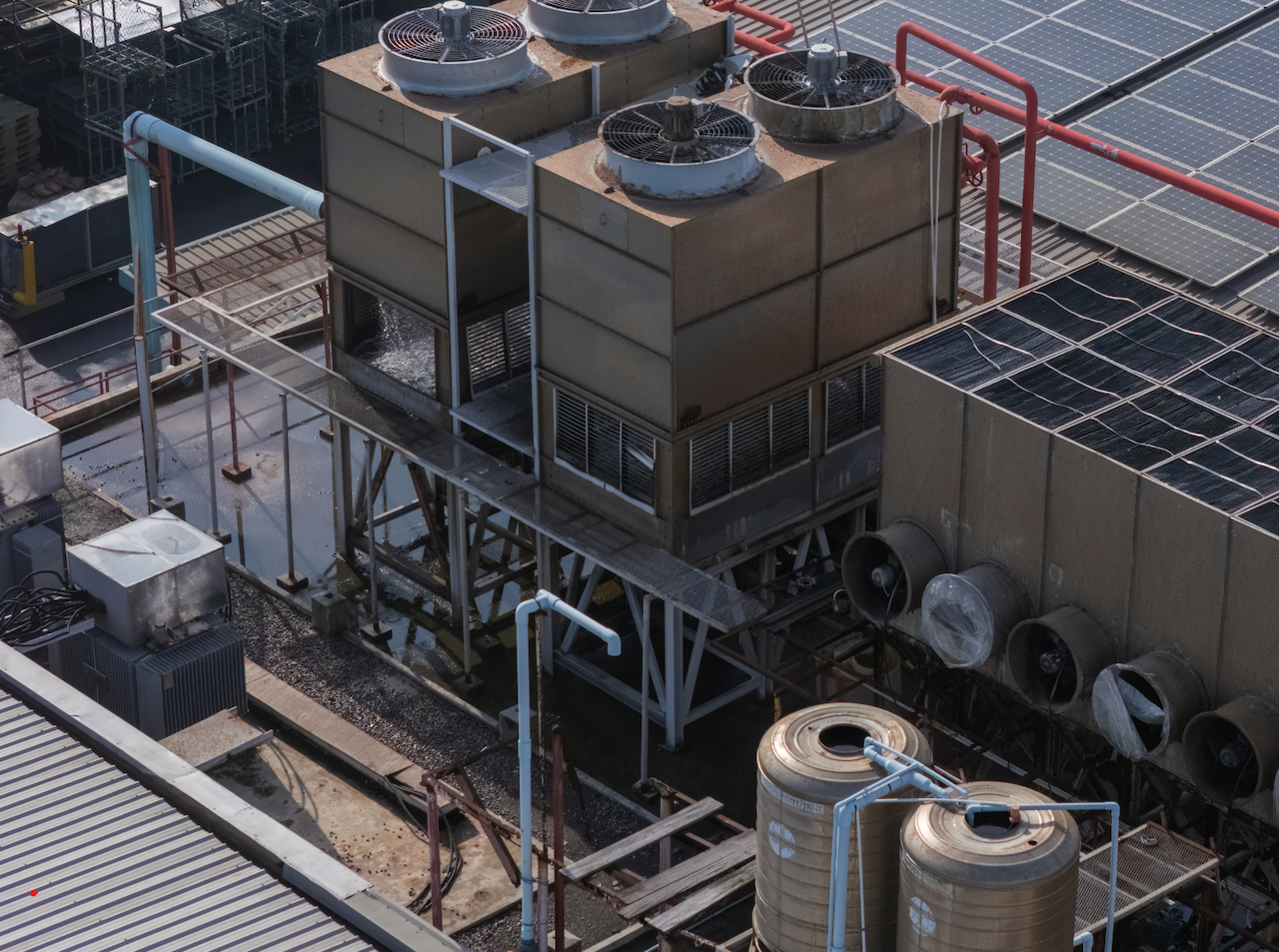
Vancouver’s mild, damp climate is deceptively demanding on commercial HVAC systems in Vancouver. The right strategies for heating and cooling in Vancouver can slash energy costs by up to 30% — without sacrificing comfort.
Did you know heating, ventilation, and air conditioning typically accounts for 40–60% of a commercial building’s energy bill in the Lower Mainland? With electricity rates rising and Vancouver’s green building requirements tightening, Harbour Energy Systems is working with local businesses to optimize commercial HVAC systems.
Statistics
- 30% Potential energy cost savings with a building automation system
- 2–4 yrs – Typical payback on smart HVAC controls
- 60% commercial energy use is tied to heating & cooling
Why Vancouver’s Climate Makes HVAC Efficiency Important
Vancouver sits in a temperate zone, but cooling is still necessary. With warmer summers and urban heat island effects, commercial buildings in downtown Vancouver, Burnaby, and Surrey see meaningful heating and cooling loads from June to September. Meanwhile, the grey, mildly cold winter, rarely below -0 °C but still persistent, means heating systems run for months at a stretch. This dual demand makes a year-round HVAC strategy essential. A system tuned only for winter will waste energy during shoulder seasons and underperform on the hottest summer days. As a team offering residential and commercial HVAC services in Vancouver, we constantly see this mismatch in Vancouver’s older commercial buildings, and it’s one of the most cost-effective problems to fix.
Optimizing Heating and Cooling Setpoints
One of the simplest, high-impact changes you can make is getting your temperature setpoints right. During Vancouver’s heating season, the target should be 21°C when the building is occupied and 16°C when it’s empty. For cooling, aim for no lower than 24°C during occupied hours. Mechanical cooling during unoccupied periods is rarely necessary given our mild overnight temperatures.
A critical detail that many building operators overlook is the deadband between heating and cooling setpoints. The gap between the two should be at least 2–3°C. Without this separation, heating and cooling systems fight each other. In other words, one is turning on just as the other shuts off, which means burning energy without improving comfort. This overlap is surprisingly common in Vancouver office buildings and is entirely avoidable with proper calibration.
| Condition | Recommended Setpoint | Notes |
| Winter – Occupied | Max 21°C (70°F) | Arrival target: 18°C at start of day |
| Winter – Unoccupied | 16°C (61°F) | Set back 1 hour before end of occupancy |
| Summer – Occupied | Min 24°C (75°F) | Pre-cool to 26°C before occupants arrive |
| Summer – Unoccupied | No mechanical cooling | Use overnight outdoor air flush instead |
| Domestic Hot Water | 45–60°C | Below 45°C risks Legionella; above 60°C wastes energy |
In summer, Vancouver’s cool evenings are a genuine blessing. Running your HVAC system in economy mode overnight, drawing in cooler outdoor air to flush heat accumulated during the day, can significantly reduce the mechanical cooling load the next morning. This is a strategy we strongly recommend to commercial clients looking for assistance with heating and cooling in Vancouver and around the Lower Mainland.
Smart Controls and Building Automation Systems
For most Vancouver businesses, upgrading to programmable or smart thermostats is an easy win. These devices automatically step temperatures down at night and on weekends. This eliminates the costly habit of heating or cooling an empty office to full comfort levels. They are highly reliable, straightforward to install, and pay for themselves quickly given BC Hydro’s stepped pricing rates.
For larger or more complex commercial facilities like multi-tenant office buildings or retail centres, a full Building Automation System (BAS) delivers more capability. A properly configured BAS manages heating, cooling, ventilation, lighting, and even domestic hot water as a coordinated whole. It can respond dynamically to occupancy, weather, and demand charges on your electricity bill. Energy savings typically range from 5% to 30%, with most systems achieving full payback in 2 to 4 years.
Harbour Energy Tip: Lock thermostat controls or restrict employee access. In our experience providing commercial HVAC service in Vancouver, unauthorized thermostat adjustments are one of the leading causes of unexpected spikes in heating and cooling costs.
Water heating controls are another underutilized tool. Systems that vary the supply water temperature in response to outdoor conditions, known as outdoor reset controls, can meaningfully improve comfort and reduce operating costs. Shutting down hot-water circulation pumps during unoccupied hours with a time switch is a simple measure that can save thousands of dollars annually.
Reducing Heat Loss in Commercial Buildings
Vancouver’s rain and humidity make building envelope performance more important than many property managers realize. Heat escapes not just through walls and windows but through uninsulated pipes, poorly sealed ducts, and gaps around loading doors. In a wet climate, those same pathways can introduce moisture that degrades insulation over time.
In high-ceiling spaces like warehouses, distribution centres, and manufacturing facilities, which are common in industrial zones such as East Van, Annacis Island, and the Fraser Valley fringe, warm air naturally stratifies near the ceiling. The result is a heater that runs almost constantly while occupants remain chilly at floor level. Installing ceiling fans to de-stratify the air is a low-cost, high-impact solution that can meaningfully cut heating energy in such environments.
In loading dock areas, especially, heat loss through open doors can be enormous. A relay that cuts heating when dock doors open, combined with vestibule partitions, can yield dramatic savings in buildings that receive frequent deliveries.
Any pipes or ductwork running through unconditioned spaces, attics, parkades, and mechanical rooms should be insulated. Uninsulated supply ducts in a cool parkade lose a significant fraction of their conditioned air before it ever reaches the intended space, particularly over the long heating season typical of Vancouver winters.
Shutting Down Equipment When It’s Not Needed
One of the most overlooked sources of HVAC energy waste is equipment running when it doesn’t need to. Pumps, fans, and electric water heaters all draw power. In commercial buildings, they often default to “always on” unless someone actively programs otherwise. Establishing a discipline around equipment shutdowns, tied to occupancy schedules and outdoor temperature thresholds, can deliver consistent savings with no capital investment.
Heating circulation pumps, for instance, can often be shut down entirely when outdoor temperatures in Vancouver rise above 18°C — which happens regularly from late spring through early fall. Similarly, chiller systems, condenser water pumps, and cooling tower fans should be shut down as early as possible in the evenings and on weekends, except where dedicated computer room cooling is required.
Only Cool Necessary Spaces
Many Vancouver commercial buildings heat and cool every square metre uniformly, regardless of whether those spaces are occupied. Vestibules, stairwells, storage rooms, and underused lobbies are common culprits. Redirecting or reducing HVAC delivery to these low-occupancy zones, or shutting them off, can trim energy costs without affecting anyone’s comfort.
In open-plan offices and retail environments, internal heat gains from lighting and office equipment are substantial. Every watt of power consumed by lighting, computers, or kitchen equipment eventually becomes heat in the building, adding to the cooling load. Switching to LED lighting, enabling power management on office equipment, and shutting down kitchen exhaust fans with a timer during unoccupied periods all reduce the burden on your cooling system during Vancouver’s summer months.
HVAC Maintenance: The Foundation of Efficiency
Vancouver’s damp, coastal climate is hard on HVAC components. Cooling tower fouling, condenser coil debris, and clogged filters all reduce system efficiency and drive up energy consumption, often invisibly, until equipment fails. Proactive HVAC service in Vancouver is not optional; it is the baseline from which all other efficiency gains are measured.
Condenser coils should be kept clear of debris, especially during the spring when biological growth is active. Cooling tower basins, intake strainers, and spray nozzles need regular inspection and cleaning to maintain both air and water pressure performance. Filters should be replaced or cleaned on a schedule calibrated to your actual operating environment — Vancouver’s urban areas have meaningful particulate loads that can shorten filter life relative to the manufacturer’s estimates.
Beyond cleaning, annual calibration of thermostats, sensors, dampers, and controllers ensures that the controls actually match the setpoints you intend. A thermostat that reads 2°C high means your building has been over-heated every winter day since it drifted out of calibration, a common and easy correction to stop unnecessary cost.
Heating and Cooling in Vancouver: System Upgrades Worth Considering
For organizations ready to invest in long-term energy improvements, installing variable-frequency drives (VFDs) on fans, chiller water pumps, and heating pumps can yield substantial energy savings. HVAC motors frequently run at full speed regardless of actual load, consuming far more power than necessary. VFDs allow the motor speed to match actual conditions, and because fan and pump power scales with the cube of speed, even modest speed reductions produce significant energy savings.
Buildings with constant air volume (CAV) systems are strong candidates for conversion to variable air volume (VAV) systems. Similarly, dual-duct systems, where separate hot and cold air streams are mixed at each zone, are inherently inefficient and can often be converted to single-duct systems with meaningful ongoing savings. These are larger capital investments, but they typically qualify for BC Hydro incentives and can be evaluated through an energy audit.
For commercial heating and cooling in Vancouver, Harbour Energy offers commercial HVAC to businesses across the Lower Mainland. Ask us about solutions to streamline energy consumption and reduce costs.
Call 604-272-7272 or use our website contact form to get started.